Food waste is a huge global issue — millions of tons of edible food end up in landfills every year, contributing to greenhouse gas emissions and wasting valuable resources. But what if we could change the way we see food scraps? Instead of throwing them away, we can reuse and repurpose food waste to benefit our homes, gardens, and wallets.
Reusing food waste isn’t just a smart environmental choice; it’s also creative, practical, and rewarding. This blog post will explore simple yet effective ways to give your food scraps a second life, reduce waste, and live more sustainably.
Why Should We Reuse Food Waste?
Before diving into tips, it’s important to understand the impact of food waste:
- Environmental impact: Food decomposing in landfills produces methane — a potent greenhouse gas. Reducing food waste helps combat climate change.
- Resource conservation: Growing food requires water, energy, and labor. Wasting food means wasting these precious resources.
- Economic savings: Using every bit of food reduces grocery bills and makes your budget go further.
Reusing food waste transforms what was once trash into valuable resources, fostering a circular lifestyle.
Practical Ways to Reuse Food Waste
1. Composting: The Classic Solution
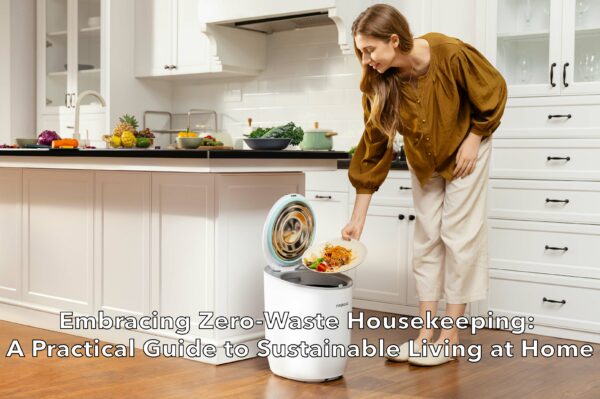
Composting is the most popular way to reuse food waste. Vegetable peels, coffee grounds, eggshells, and even certain paper products can be composted to create nutrient-rich soil for gardens and houseplants. Composting reduces landfill waste and improves soil health.
Tips:
- Avoid composting meat, dairy, and oily foods in home compost bins to prevent pests.
- Use a compost bin or try vermicomposting with worms indoors if space is limited.
2. Vegetable Broth from Scraps
Save your onion skins, carrot ends, celery leaves, garlic peels, and other vegetable scraps in a freezer bag. When you have enough, simmer them in water for a homemade vegetable broth—rich, flavorful, and waste-free!
3. Regrow Veggies from Kitchen Scraps
Many vegetables can regrow from scraps. For example:
- Green onion roots can regrow in water.
- Lettuce and celery bases can sprout new leaves in a shallow dish.
- Potato eyes can be planted to grow new plants.
Regrowing saves money and reduces waste, while also providing fresh produce at home.
4. Use Citrus Peels for Cleaning and Freshening
Lemon and orange peels can be dried or infused in vinegar to create natural cleaning sprays. Their oils deodorize and help cut grease, making them great zero-waste cleaning ingredients.
5. Create Natural Beauty Products
Coffee grounds, avocado skins, and banana peels can be used in DIY scrubs and masks. They’re packed with nutrients and antioxidants that nourish skin naturally, offering an eco-friendly alternative to commercial products.
6. Feed Your Pets or Garden Critters
Certain food scraps can be safely fed to pets or backyard chickens—check what’s safe for your animals to avoid harm. Also, some scraps attract earthworms, which help improve soil health.
Tips for Reducing Food Waste Before Reusing
- Plan meals and shop thoughtfully to buy only what you need.
- Store food properly to extend freshness.
- Use leftovers creatively to avoid throwing out uneaten meals.
- Freeze surplus produce to use later in smoothies or soups.
The Bigger Picture: Why Reusing Food Waste Matters
Reusing food waste is more than a household hack — it’s a mindset that promotes respect for resources and environmental stewardship. When communities embrace food reuse, the benefits multiply, leading to:
- Reduced greenhouse gas emissions
- Less pressure on landfill space
- Enhanced soil health and biodiversity
- Stronger local food systems
Final Thoughts
Reusing food waste turns everyday scraps into opportunities—opportunities to save money, care for the planet, and lead a more sustainable lifestyle. Whether you’re composting, regrowing veggies, or making homemade broth, each step helps close the loop on waste.
Start small, get creative, and watch your food scraps transform from trash into treasure.
#CanGoGreen #ZeroWasteLiving #FoodWasteReduction #SustainableLiving #Composting #EcoFriendlyTips #WasteNotWantNot #GreenLiving #SustainableHome