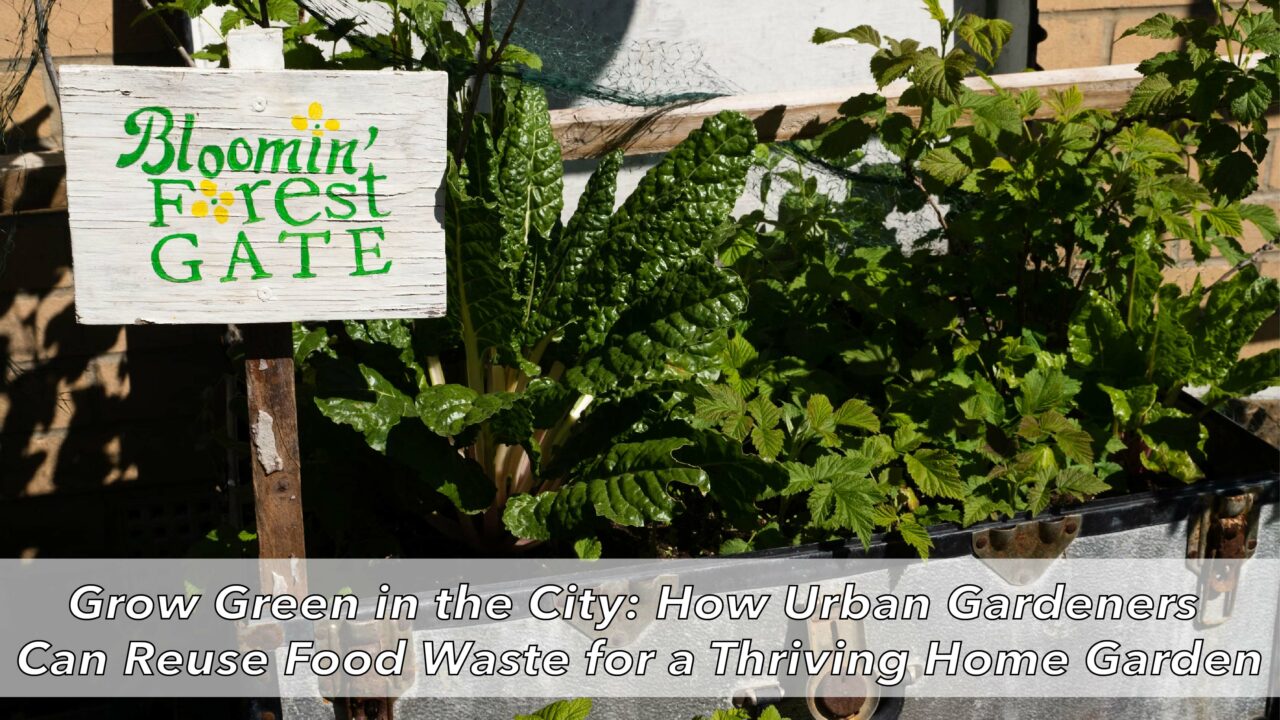
Living in the city doesn’t mean you’re disconnected from nature. In fact, urban gardening is one of the most powerful movements transforming balconies, rooftops, and windowsills into small but mighty green spaces. And here’s the secret: the key to a thriving city garden could already be in your kitchen bin.
From coffee grounds to veggie peels, food waste can be reused to nourish plants, build soil health, and reduce landfill waste—all from the comfort of your apartment. For eco-minded city dwellers, reusing food waste is a smart, sustainable, and budget-friendly way to take your urban garden to the next level.
🌍 Why Food Waste Belongs in Your Garden — Not the Trash
Food waste is one of the most accessible and underused resources for urban gardeners. Not only does tossing scraps into landfills release harmful methane, but it also wastes valuable nutrients that could be recycled back into the earth.
Urban gardeners often deal with limited space and resources. Reusing food scraps provides a free, low-waste solution to enrich your soil, fertilize your plants, and help the planet at the same time.
🥕 What Food Waste Can Be Reused in Urban Gardening?
Here are some common kitchen scraps that can work wonders in your city garden:
☕ Coffee Grounds
Rich in nitrogen, used coffee grounds are great for acid-loving plants like blueberries, tomatoes, and hydrangeas. Sprinkle them on the soil or mix with compost for a nutrient boost.
🍌 Banana Peels
Loaded with potassium and phosphorus, banana peels can be buried near your plant roots to promote flowering and strong stems.
🥚 Crushed Eggshells
Eggshells add calcium to the soil and deter pests like slugs. Rinse, dry, crush, and sprinkle around your plants.
🧅 Vegetable Peels & Trimmings
Onion skins, carrot tops, and leafy ends can be composted or turned into homemade liquid fertilizer by soaking them in water for a few days.
🥬 Lettuce & Herb Stems
Many greens can be regrown in jars of water on your windowsill. This adds greenery and food to your space with zero waste.
🌿 Composting in Small Spaces
Don’t have a backyard? No problem. Composting is totally doable in apartments:
🪴 1. Balcony Compost Bin
Use a sealed container or tumbler to create compost outdoors with limited odor. Choose one designed for small spaces.
🐛 2. Vermicomposting (Worm Bin)
Worms can break down food scraps inside a compact bin — perfect for a kitchen corner. They produce nutrient-rich “worm castings” that act as a powerful natural fertilizer.
🧺 3. Bokashi System
This fermentation-based system works indoors and handles food scraps (even meat and dairy) using a special bran. It’s fast, odor-controlled, and compact.
🌸 DIY Garden Boosters from Kitchen Waste
For the creative urban gardener, food waste can also become handy DIY garden hacks:
- Citrus Peel Seed Starters: Use lemon or orange halves as biodegradable pots to start seedlings.
- Avocado Pit Planting: Grow your own avocado tree from a pit in a jar — even if it’s just for fun!
- Leftover Tea Leaves: Add used tea leaves to soil for gentle nutrients and improved texture.
These solutions reduce plastic packaging, save money on store-bought products, and make your garden feel more personal and sustainable.
🪴 Tips for Success in Urban Gardening with Food Waste
- Balance your compost: Mix greens (wet, nitrogen-rich) and browns (dry, carbon-rich like paper) for optimal composting.
- Don’t overload: Even in compost, moderation matters. Avoid overwhelming your bin with citrus or bread.
- Label and learn: Keep notes on how your plants respond to different food-based fertilizers to fine-tune your routine.
- Share your journey: Swap tips, scraps, and compost with neighbors or join local gardening groups.
🌆 Why This Matters: Urban Gardening as Climate Action
Using food waste in urban gardening isn’t just a personal lifestyle choice — it’s part of a bigger solution to reduce global food waste, support local biodiversity, and cut emissions. Every balcony garden using compost instead of chemical fertilizer, every scrap kept out of the landfill, and every regrown green onion helps move us toward a more resilient, eco-conscious city.
In a concrete jungle, growing green is a revolutionary act.
Final Thoughts
Reusing food waste in urban gardening proves that sustainability doesn’t require land, fancy equipment, or massive lifestyle changes. All it takes is a few scraps, a little creativity, and a willingness to get your hands dirty (just a little!).
Whether you’re nurturing a tomato plant on your fire escape or tending herbs by your kitchen window, food waste is your secret weapon to grow more, waste less, and live greener — right in the heart of the city.
#CanGoGreen #UrbanGardening #ZeroWasteLiving #CityGardenLife #CompostInTheCity #FoodWasteToSoil #GrowFromScraps #EcoFriendlyGardening #BalconyGarden #GreenCityLiving